Electrical Load Balancing for Commercial Properties matters when high-load equipment and tenant changes create uneven electrical loading and nuisance trips. For facilities managers and commercial property owners, the issue is rarely only a single reading or one complaint. It is usually a combination of site layout, tenant behaviour, equipment condition, billing rules and the quality of the records available at the time a decision must be made.
RB Electrical works with electrical contracting, smart electricity metering, smart water metering, utility monitoring, per-tenant utility billing and usage reporting for properties in South Africa and Namibia. This guide explains electrical load balancing commercial property in practical terms, with a focus on defensible records, safer decision-making and fewer avoidable disputes.
Start with the property problem, not the technology
Technology is useful only when it answers a clear property management question. A landlord may need to know which tenant used electricity, why water consumption increased after hours, whether a recurring trip is linked to a particular load, or how to explain a common-area recovery. A facilities manager may need a better way to prioritise maintenance before a fault interrupts trading or operations.
For this topic, the main property problem is that high-load equipment and tenant changes create uneven electrical loading and nuisance trips. If that is not defined clearly, a site can spend money on meters, reports or repairs without improving the day-to-day process. A practical approach starts by listing what must be measured, who will review the information and what action should follow when the data looks abnormal.
Useful internal starting points are RB Electrical’s Utility Metering information and the contact page if the site needs a practical review.
What should be checked on site
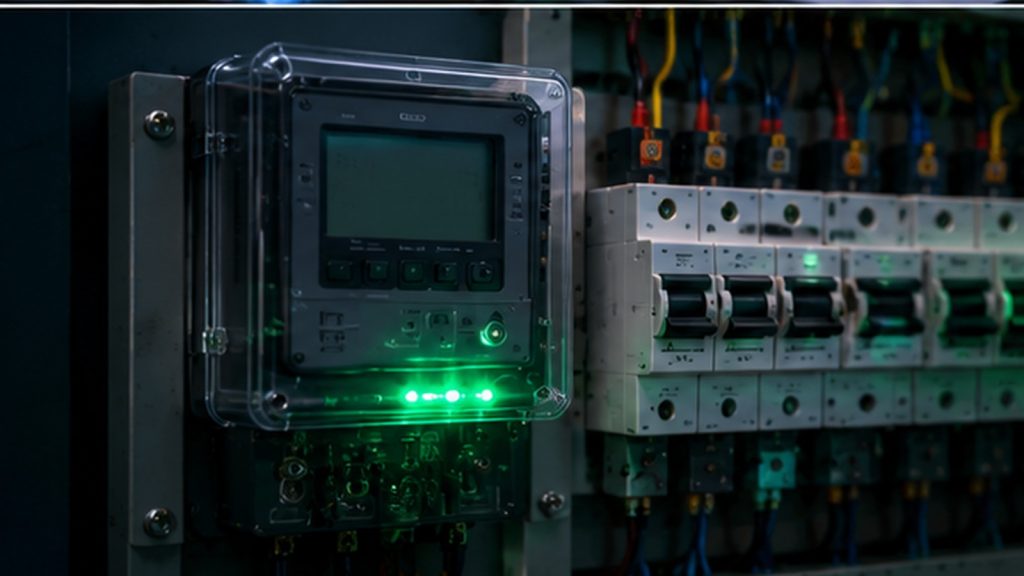
Every property is different, but the important areas are usually visible once the site is mapped properly. For load balancing, managers should pay attention to distribution boards, three-phase supplies, motors, pumps, refrigeration and tenant loads. These points influence how readings are interpreted and how quickly a problem can be traced.
Do not rely only on memory or old schedules. Tenant layouts change, equipment is added, irrigation programmes are adjusted and maintenance teams may make temporary changes during a fault. The records used for billing or maintenance should reflect the current site, not the original design.
The data that makes decisions easier
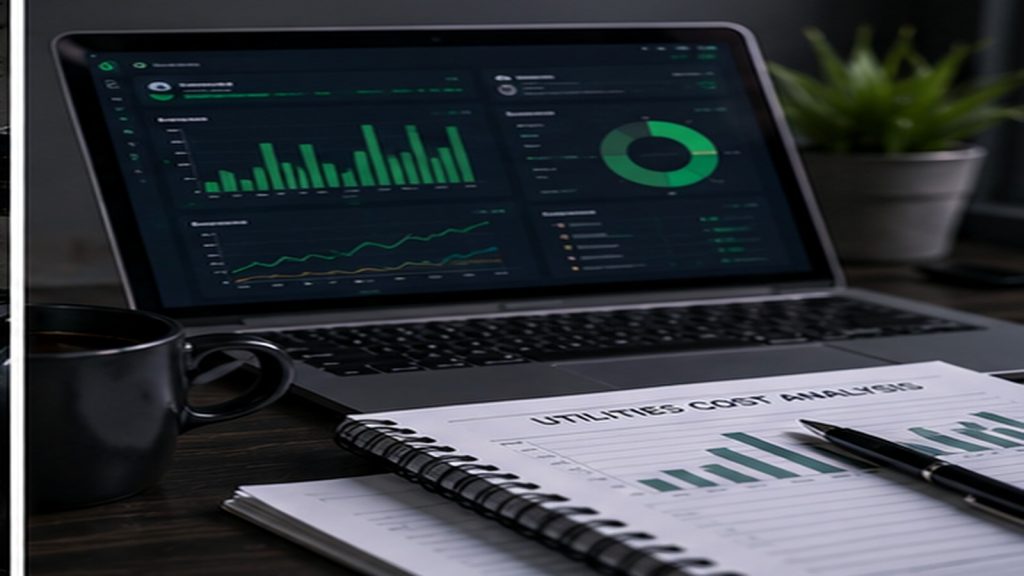
Good data does not need to be complicated. The most useful information for this topic includes phase load trends, demand peaks, trip history and equipment operating times. When this is reviewed consistently, it becomes easier to separate normal operation from a problem that needs attention.
For example, a high monthly account may look alarming, but the trend may show that the increase began after a tenant changed operating hours. A water spike may be linked to irrigation rather than a tenant. A repeated electrical trip may coincide with equipment start-up rather than general building use. The point is not to guess from one number. The point is to use evidence to narrow the investigation.
Practical checklist
- List major loads by area
- Record when trips occur
- Check whether new equipment was added
- Review smart meter demand patterns
- Ask a qualified electrician to assess imbalances
This checklist should be adapted to the site. A shopping centre, school, estate, farm, workshop and office block will not have the same loads or water-use patterns. The discipline is to use the same process each month or maintenance cycle so that exceptions stand out.
Warning signs that need attention
- one phase repeatedly overloaded
- breakers warm to the touch
- trips linked to equipment start-up
These warning signs do not automatically prove a fault, leak or billing error. They show that the issue deserves closer review. Where safety is involved, especially around electrical equipment, the matter should be escalated rather than handled by trial and error.
A simple decision process
- Gather load information
- Review demand data
- Plan inspection safely
- Implement correction work only after assessment
This process keeps the response practical. First, confirm that the record is correct. Then look for operational explanations such as trading hours, seasonal demand, tenant changes or maintenance work. If the pattern still does not make sense, arrange a technical inspection or metering review with the relevant information already prepared.
Records to keep each month
Keep a simple monthly record that includes the reading period, meter or circuit reference, the person who reviewed the data, exceptions found, action taken and unresolved follow-ups. For commercial sites, this record should sit with the tenant schedule, maintenance log and utility invoice file so that a future manager can understand the decision without relying on memory. Good records also make it easier to compare seasonal changes, explain tenant recoveries and brief contractors before they arrive on site.
Common mistakes to avoid
One common mistake is billing or approving repairs before the basic records have been checked. Another is treating every abnormal reading as a fault without considering occupancy, seasonality or equipment changes. A third is keeping utility knowledge in one person’s email inbox instead of in a shared record that can be audited later.
Property teams should also avoid changing billing methods informally from one month to the next. If a lease, management rule or owner decision sets the method, the data and invoice should support that method consistently. When a correction is needed, record the reason clearly.
When to call a professional
Call a professional when there is repeated electrical tripping, heat, burning smells, exposed wiring, water near electrical equipment, suspected underground leakage, unclear meter allocation, or a billing issue that cannot be reconciled from the records. Monitoring can point to the likely area, but repair work and electrical correction should not be guessed.
How RB Electrical can help
RB Electrical can assist with smart electricity metering, smart water metering, utility monitoring, tenant billing workflows, electrical maintenance and practical reporting. For landlords and facilities teams, the value is in connecting site realities with usable data: what changed, where it changed and what should happen next.
If your property needs clearer utility records, metering upgrades or electrical maintenance support, visit the RB Electrical contact page. You can also review Utility Metering to see how electricity and water monitoring can support better management of commercial, retail, estate, farm and multi-tenant properties.