Commercial water leaks are often treated as a plumbing problem only once water is visible. By that stage, a property manager may already be dealing with high municipal bills, tenant complaints, damaged finishes, soggy landscaping or unexplained pressure issues. The most difficult leaks are not always dramatic bursts. They are the small, continuous flows that run after hours, underground, inside toilet cisterns, through irrigation valves or behind tenant fit-outs.
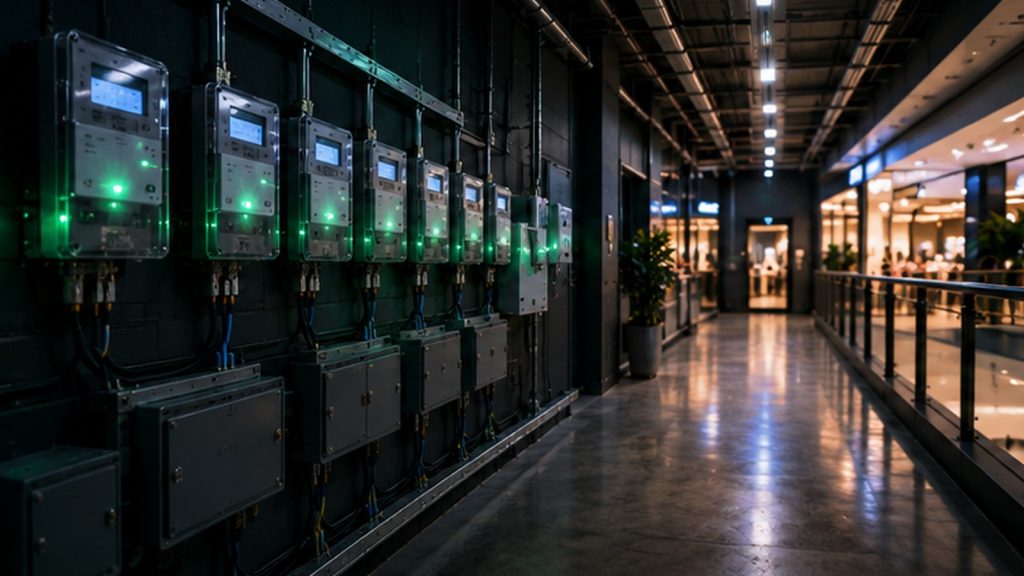
For landlords, schools, retail centres and facilities teams, commercial water leak detection is about finding abnormal use early enough to act. A basic walk-around still matters, but meter data, overnight flow patterns and alerts can give a much clearer view of what is happening across a busy property.
RB Electrical works with utility metering and monitoring for properties in South Africa and Namibia, including smart water metering for multi-tenant and commercial sites. The aim is practical: better visibility, faster response and fewer billing surprises.
Why small commercial leaks become expensive
A leak that looks minor can become costly because commercial properties operate for long hours and often have multiple water-use points. A slow toilet cistern leak, a stuck irrigation valve or a leaking underground line may run continuously for weeks if nobody is watching the trend.
The cost is not limited to water charges. Hidden leaks can also cause:
- Higher utility bills that are difficult to explain to owners or tenants.
- Disputes where a shared account must be recovered from multiple occupants.
- Damage to paving, walls, ceilings, landscaping or stored goods.
- Increased maintenance call-outs when the underlying cause is not identified.
- Wasted time for facilities staff trying to trace the problem without reliable data.
On a multi-tenant property, the problem becomes more complicated when the main municipal account rises but the site has limited sub-metering. Without tenant-level or zone-level readings, it is difficult to know whether consumption is normal business activity, a tenant process change, irrigation use or a leak.
Start with overnight and low-occupancy flow patterns
One of the most useful clues is water flow when the property should be quiet. A school, office block, warehouse or retail centre may still have some legitimate after-hours use, but the pattern should make sense for the site.
Facilities managers can compare:
- Weekday daytime use against overnight use.
- Trading hours against closed periods.
- Weekends and public holidays against normal days.
- Tenant areas with high water demand against low-use areas.
- Irrigation schedules against recorded flow times.
If a smart water meter shows steady flow from midnight to 04:00, and there is no cleaning team, production process or irrigation schedule running, that is a strong warning sign. The important point is not one isolated reading. It is the trend: repeated low-occupancy flow suggests water is moving somewhere.
Common leak sources on commercial sites
Hidden leaks usually fall into a few practical categories. Knowing these areas helps a facilities manager investigate before calling in specialist support.
Toilet cisterns and bathroom fittings
Toilet leaks are common because they can run quietly into the bowl without creating a visible puddle. A faulty flush valve, worn seal or stuck mechanism may waste water continuously. In a shopping centre, school or office block with many bathrooms, several small leaks can add up quickly.
Warning signs include water movement in the bowl between flushes, cisterns refilling without use, damp marks around fittings or unusually high use linked to ablution blocks.
Irrigation and landscaping
Irrigation systems can leak through broken pipework, stuck valves, damaged sprinkler heads or incorrect controller settings. Because irrigation often runs early in the morning, leaks may be missed by daytime staff.
Check whether irrigation times match meter data. If water use continues long after the scheduled programme, the controller or valve system may need attention.
Underground supply lines
Underground leaks can be difficult to see until paving subsides, grass stays unusually green or damp patches appear. A line feeding remote buildings, storage areas, farms, sports fields or tenant blocks can leak without affecting the main building immediately.
Tenant areas
Tenant operations may include kitchens, salons, laundries, food preparation, cooling systems or wash bays. Higher use is not automatically a leak, but a sudden change in one area should be checked against occupancy, trading activity and equipment changes.
What smart water meters can identify
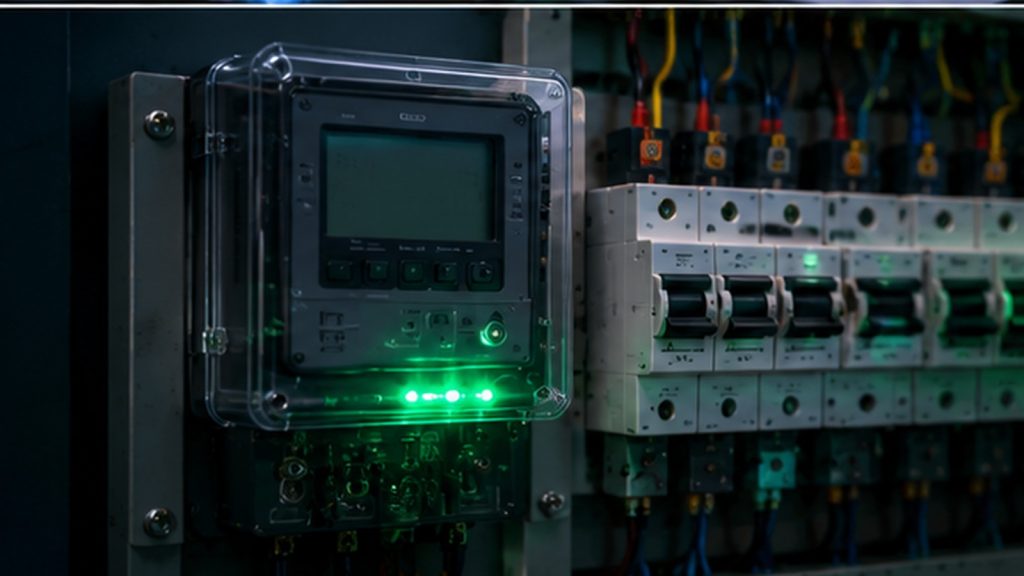
Smart water meters do not replace plumbing inspections, but they provide evidence that narrows the search. Depending on the installation and data available, smart metering can help identify:
- Continuous flow when the site should be inactive.
- Sudden increases in baseline consumption.
- Repeated spikes linked to particular times of day.
- Abnormal use after weekends, holidays or shutdown periods.
- Differences between main meter and sub-meter totals.
- Zones or tenants that need closer inspection.
This is where utility metering becomes useful for property management. Instead of relying only on a monthly account, managers can work with usage trends and exception reports. RB Electrical also supports monitoring through RBE Utilities, powered by the MY.POWER platform, for sites that need clearer electricity and water visibility.
What to investigate before calling a plumber
Before a plumbing contractor is called out, a facilities manager can gather useful information. This saves time and helps direct the contractor to the most likely area.
- Confirm the billing period and compare it with the meter reading dates.
- Check whether the high consumption is from the main meter, a sub-meter or a tenant meter.
- Review after-hours consumption for at least a few comparable days.
- Confirm irrigation schedules and recent landscaping work.
- Ask tenants about new equipment, cleaning routines or operational changes.
- Inspect toilets, taps, valves, plant rooms and visible pipe routes.
- Look for damp soil, wet walls, running drains or unusual pump operation.
- Record dates, photos, readings and observations before the call-out.
This does not require a facilities team to diagnose the plumbing fault. It simply creates a better starting point.
How alerts and trend data reduce response time
Monthly bills are too slow for leak detection. By the time a high account arrives, the water has already been used or wasted. Alerts and trend reports shorten the time between abnormal use and action.
For example, a property manager may set an internal rule to investigate if overnight flow exceeds the normal baseline for two nights in a row. A school may review weekend flow every Monday. A retail centre may compare tenant zones after trading hours.
The benefit is not only lower consumption. It is better control. Managers can contact tenants with evidence, dispatch maintenance teams to a specific area and brief plumbers with data instead of guesses.
Practical leak investigation checklist
- Compare current consumption with the same period last month and last year, where available.
- Check for continuous flow during closed or low-occupancy hours.
- Verify irrigation controller times against recorded water use.
- Inspect toilet cisterns, urinals, taps and cleaning points.
- Check plant rooms, booster pumps, storage tanks and visible valves.
- Walk underground pipe routes and look for wet soil, soft paving or unusual vegetation growth.
- Compare main meter usage with tenant or zone sub-meter totals.
- Ask tenants about changed trading hours, equipment or cleaning routines.
- Record photos, readings, dates and actions taken.
- Escalate to a plumber or leak detection specialist when the source cannot be confirmed safely.
When to call a professional
Call a professional when there is visible water damage, suspected underground leakage, pressure loss, electrical equipment near water, inaccessible pipework or a continuous flow that cannot be isolated. Water and electricity risks should be treated carefully on commercial sites.
Bringing leak data into utility management
Commercial water leak detection works best when it is part of routine utility management, not a once-off reaction to a high bill. Smart meters, alerts and tenant-level reporting help property managers identify abnormal use earlier and support fair recovery of costs.
RB Electrical can assist with smart water metering, utility monitoring and practical reporting for landlords, schools, estates, retail centres and commercial properties. To discuss a site or request guidance, visit our contact page. You may also find our existing water leak detection guidance useful if your property already has signs of abnormal consumption.